Kitchen Remodeling in Mahopac NY
7 Signs Your Home May Need Masonry Repair
Masonry structures are designed for durability, but years of exposure to weather, moisture, and natural settling can eventually lead to deterioration. Identifying masonry problems early can help prevent more extensive damage and reduce the likelihood of larger restoration projects. Homeowners should routinely inspect brick, stone, mortar joints, and chimneys for signs of wear.
Common Warning Signs of Masonry Damage
Some of the most common indicators of masonry deterioration include cracked mortar joints, loose or shifting bricks, deteriorating stone surfaces, water stains, white powdery residue known as efflorescence, and visible cracks in masonry walls. These issues often develop gradually and may indicate underlying moisture problems or structural movement that should be addressed before additional damage occurs.
Why Masonry Problems Should Not Be Ignored
Small masonry issues can quickly expand when exposed to continued moisture and seasonal temperature changes. Damaged mortar joints may allow water to penetrate deeper into the structure, while loose brickwork can compromise the stability of surrounding masonry. Timely repairs help preserve the condition of the structure and may prevent more extensive restoration work in the future.
When to Schedule a Masonry Inspection
If you notice visible deterioration, missing mortar, cracked brickwork, chimney damage, or recurring moisture issues, it may be time to have the masonry evaluated. A professional inspection can help identify the source of the problem and determine the most appropriate repair strategy for protecting the long-term condition of the structure.

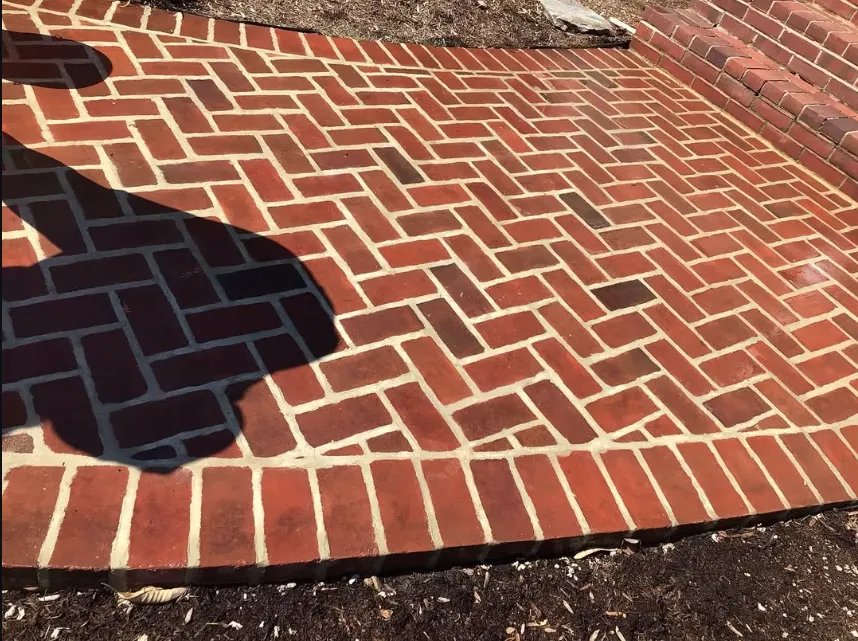
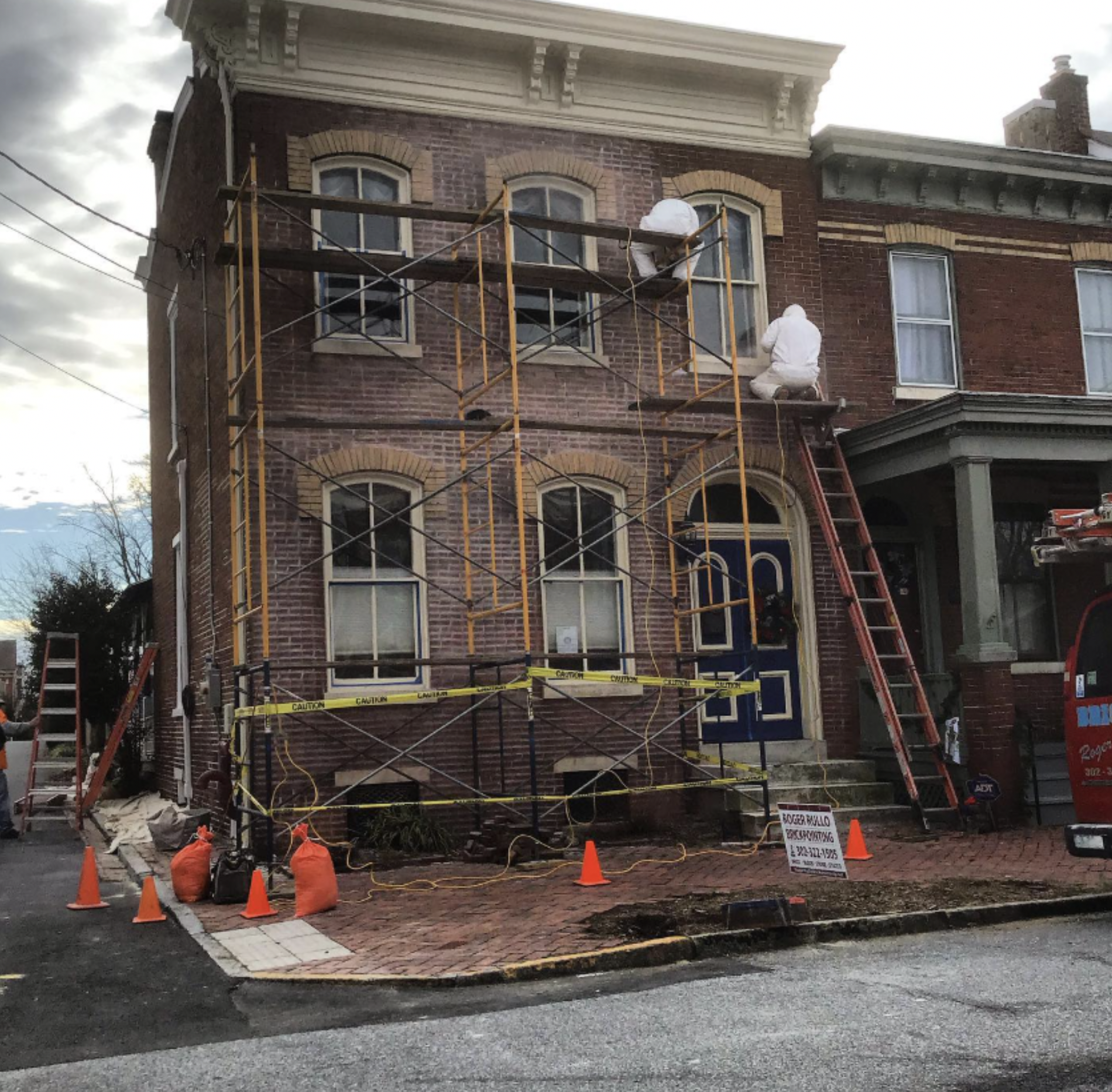
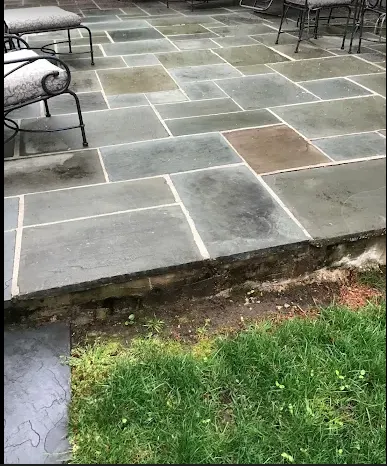
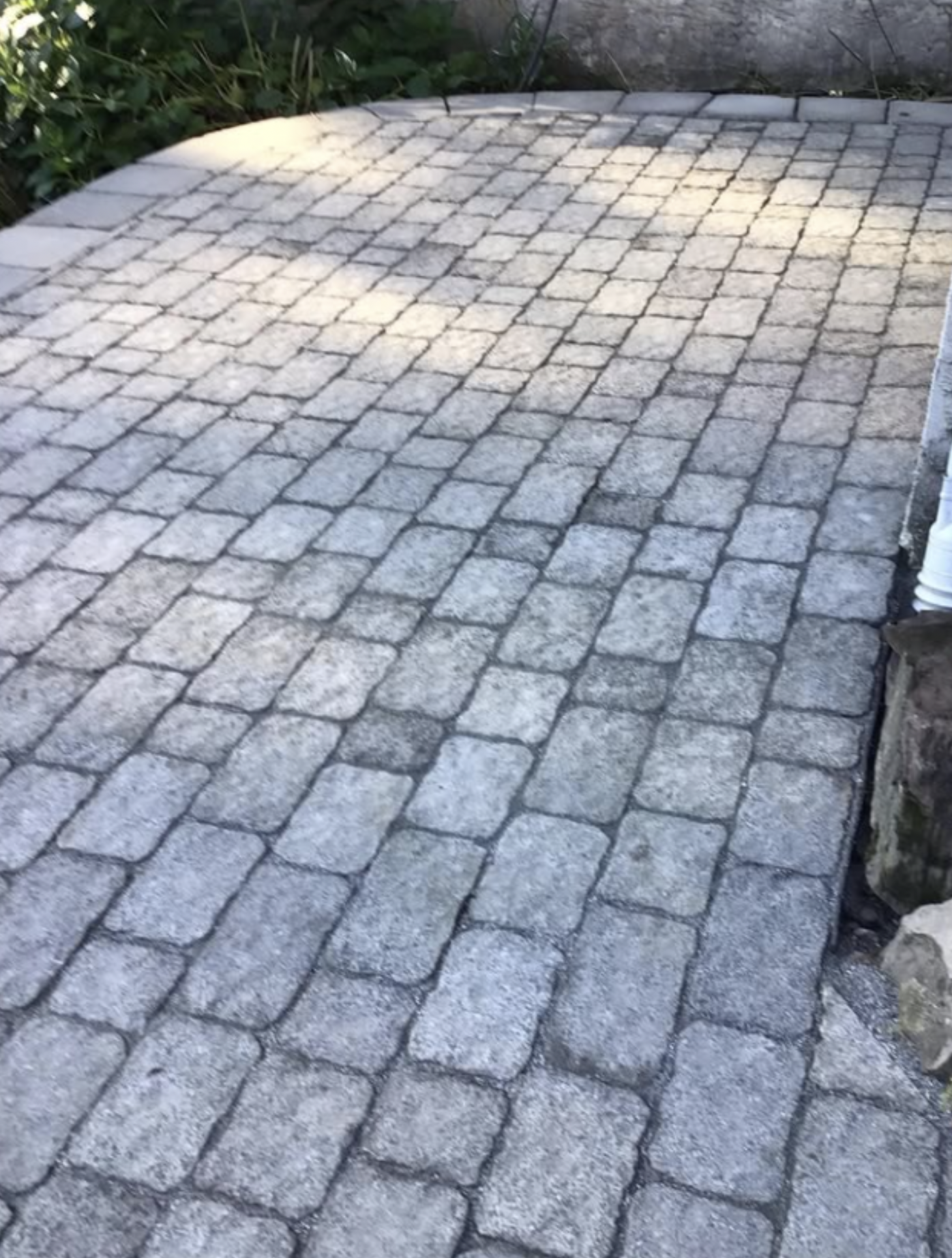
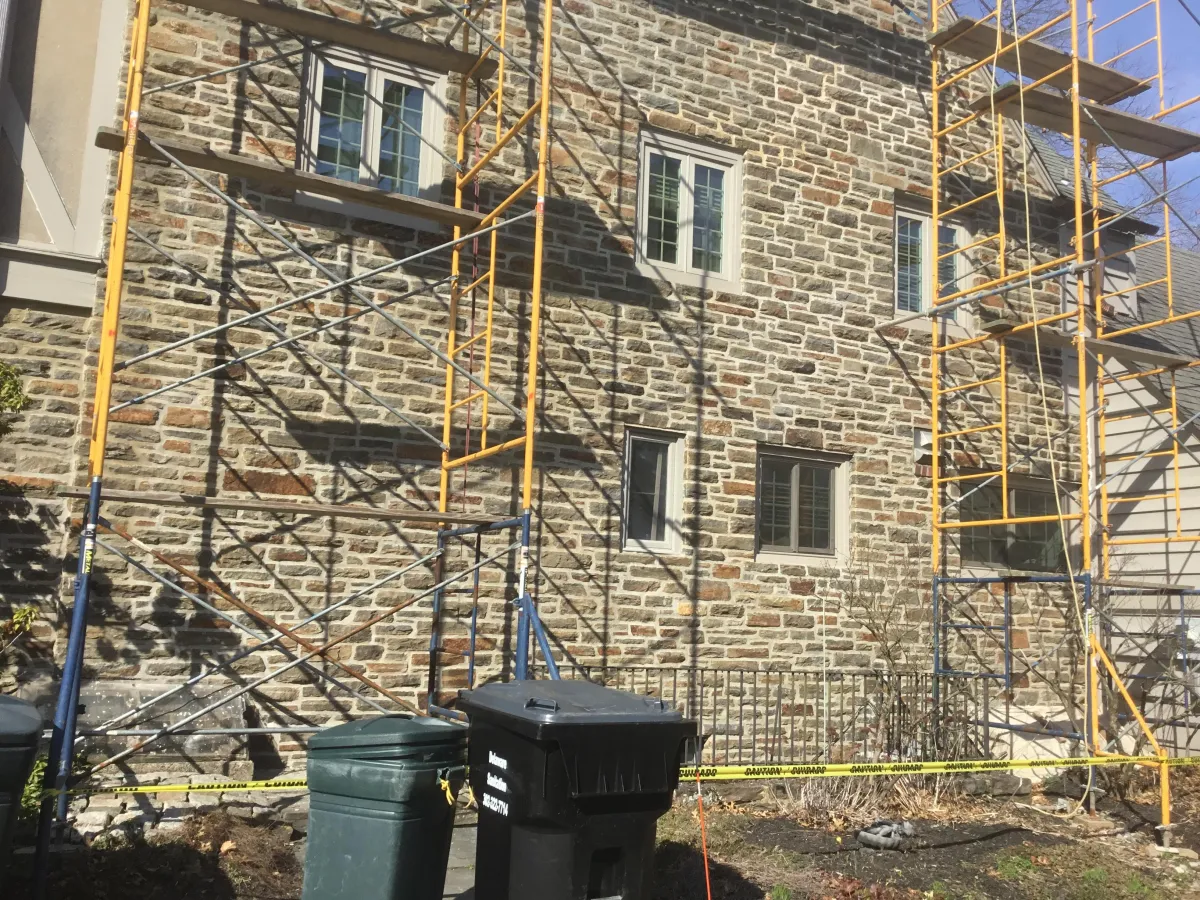
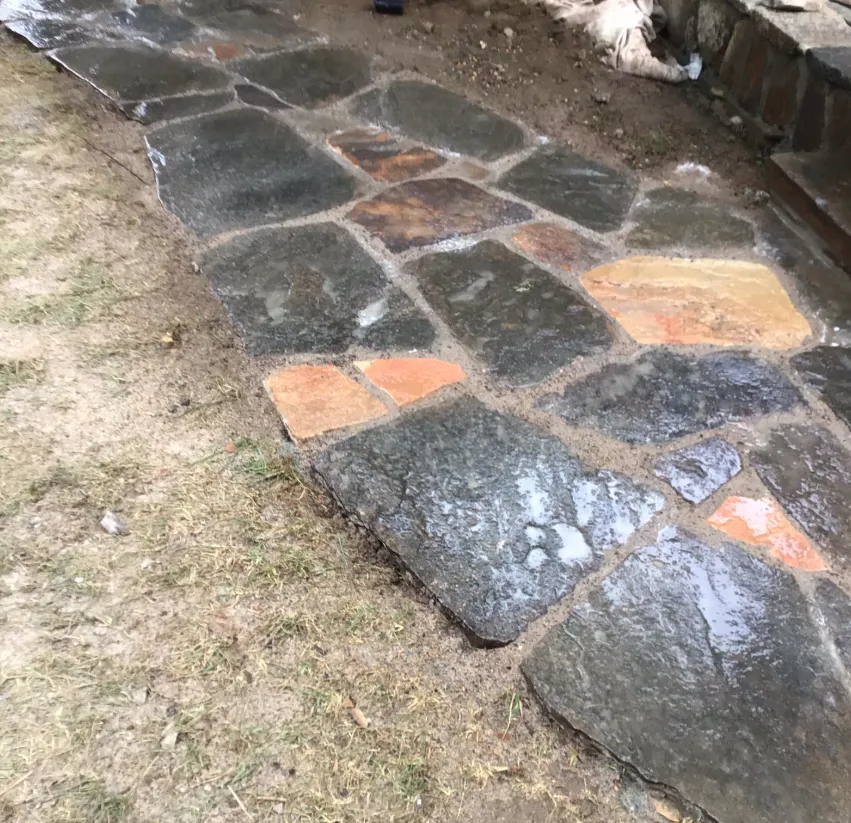
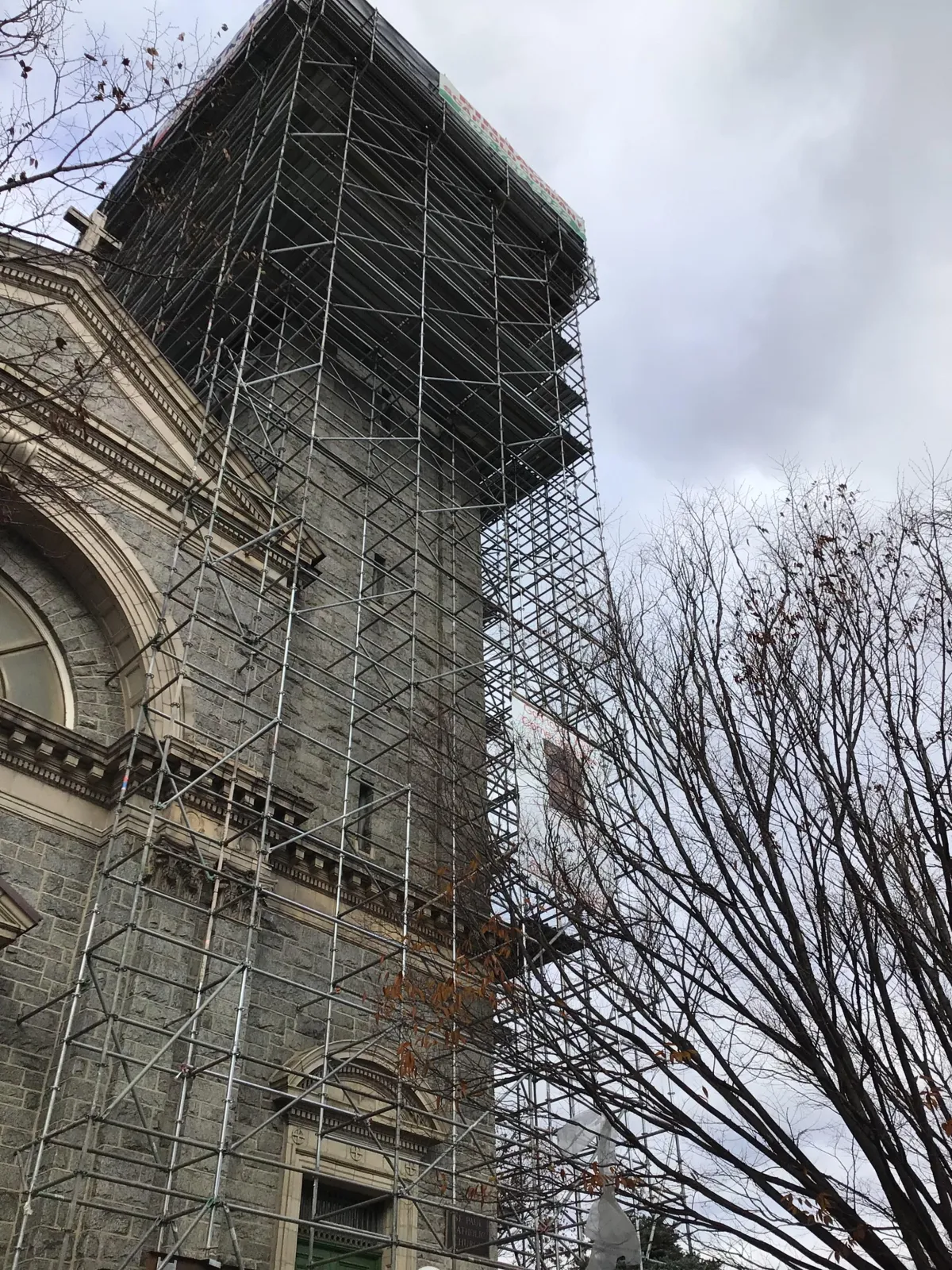
Our Work
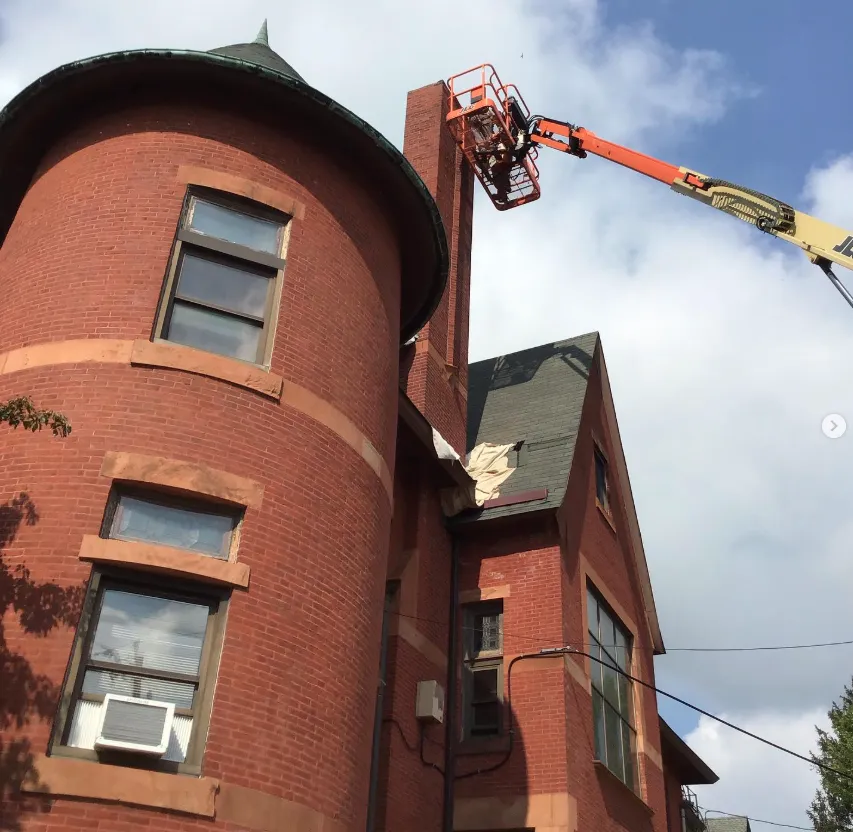
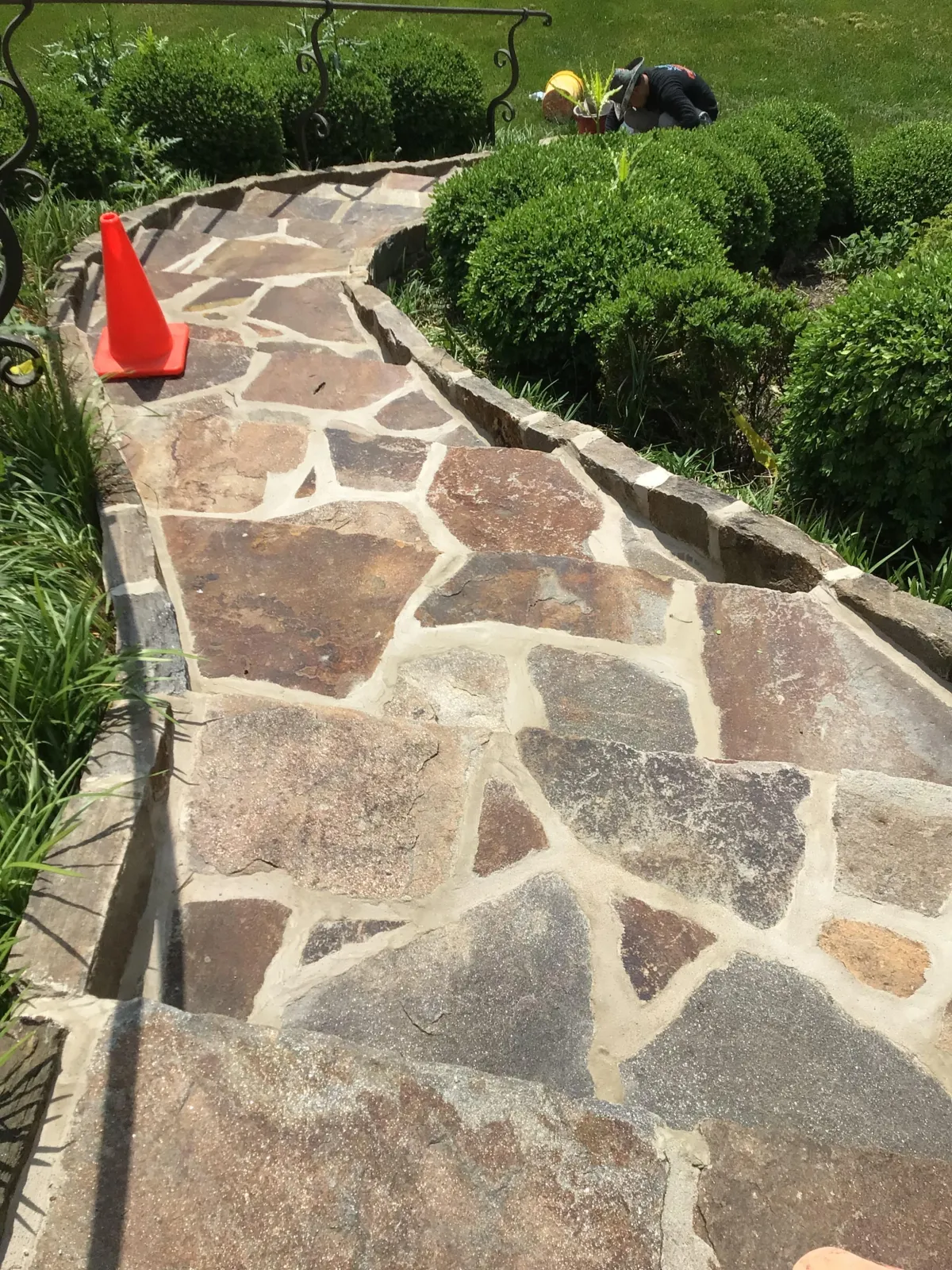
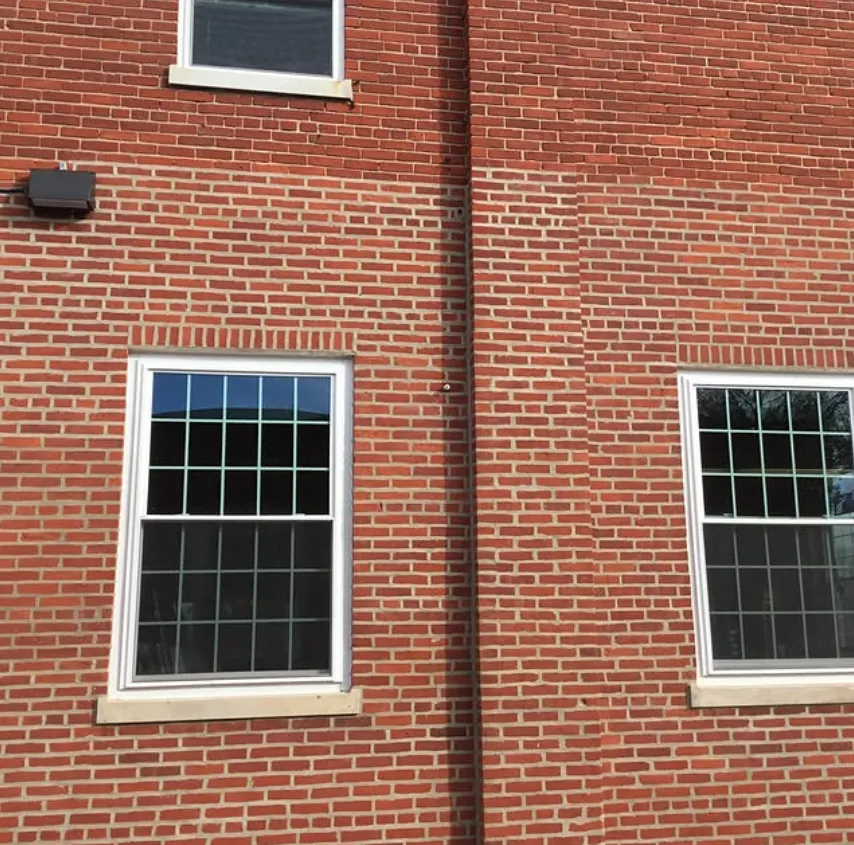
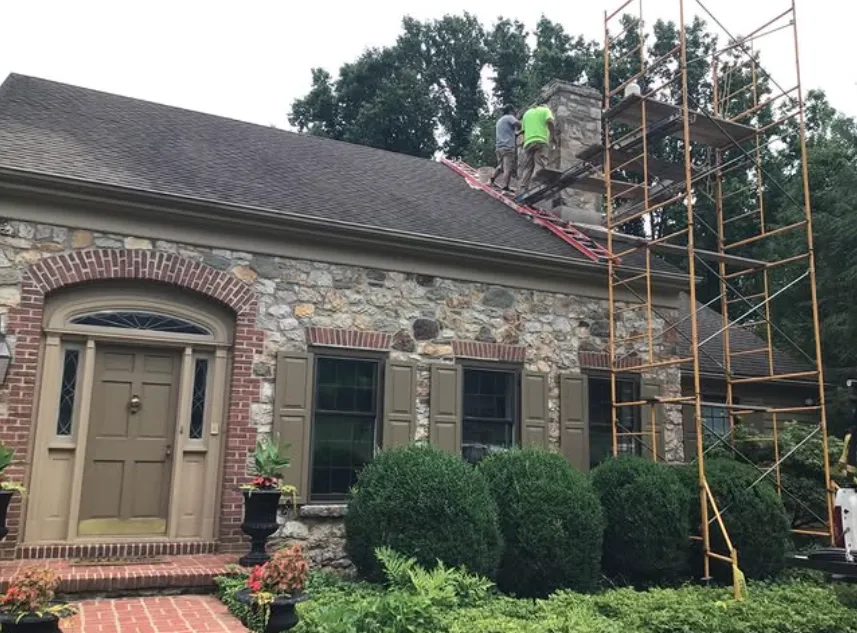
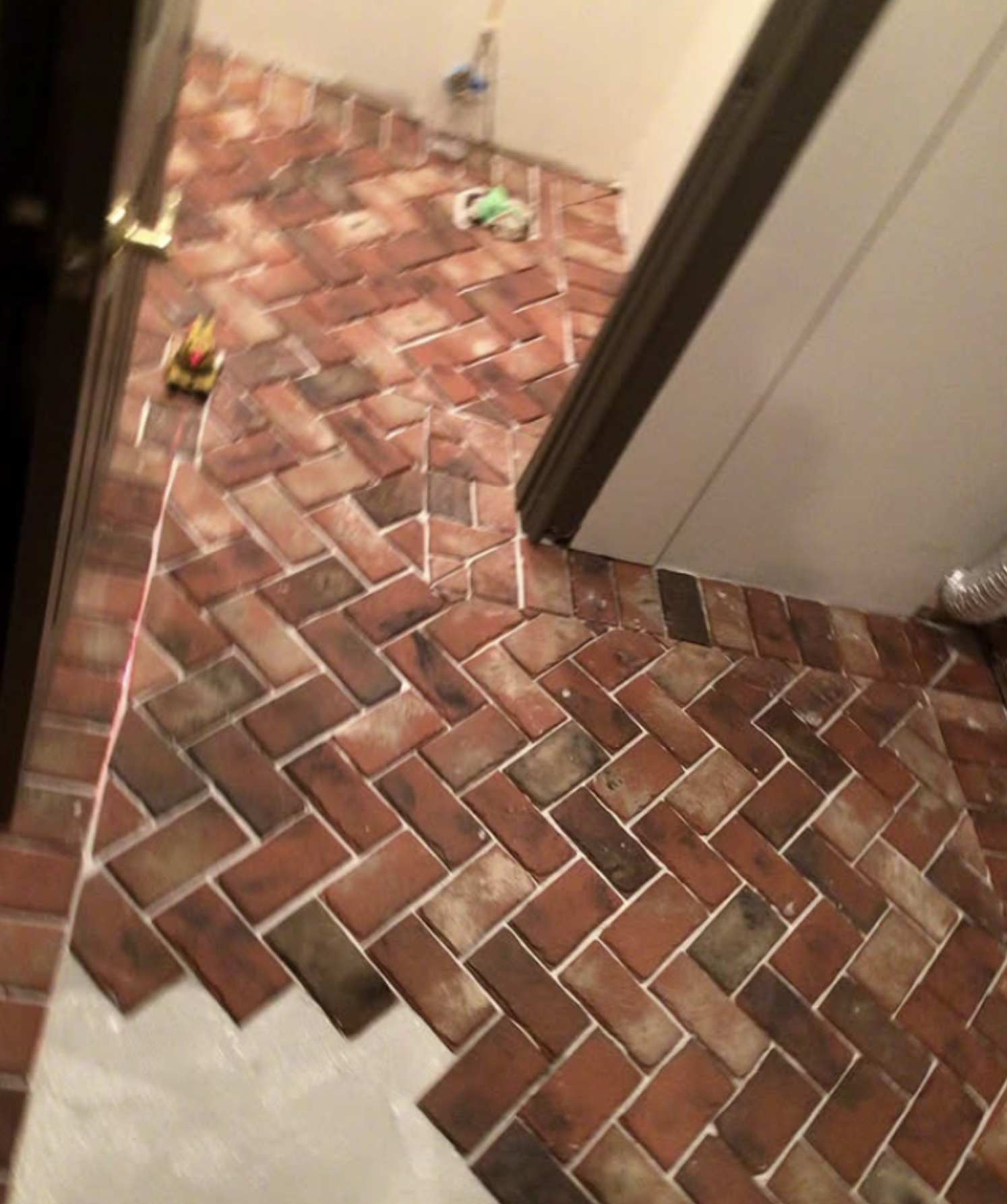
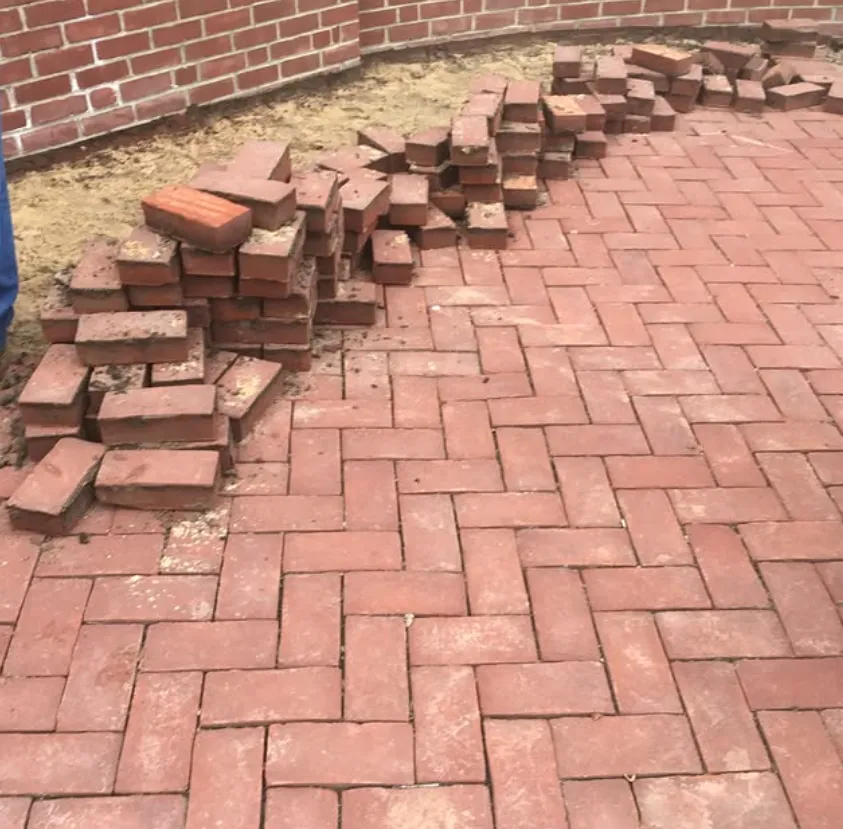
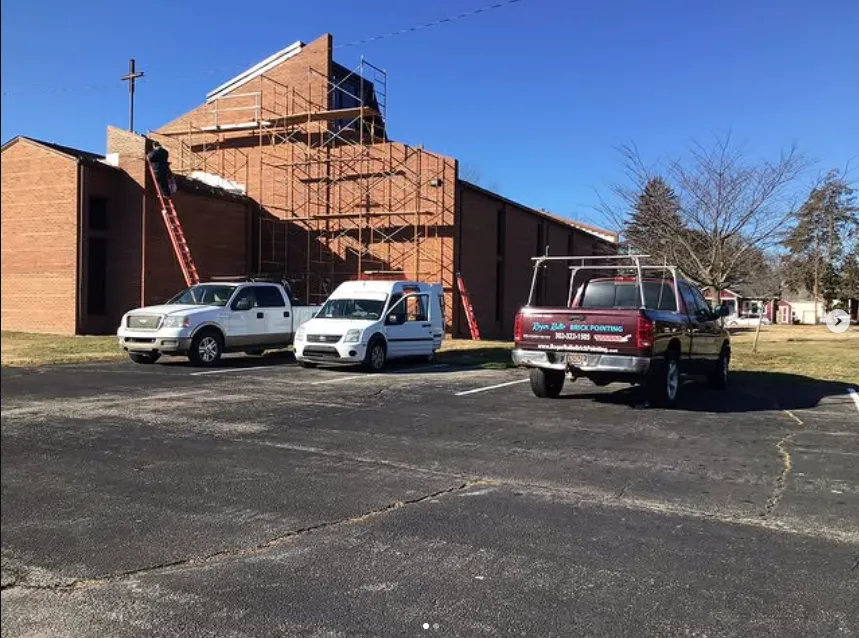
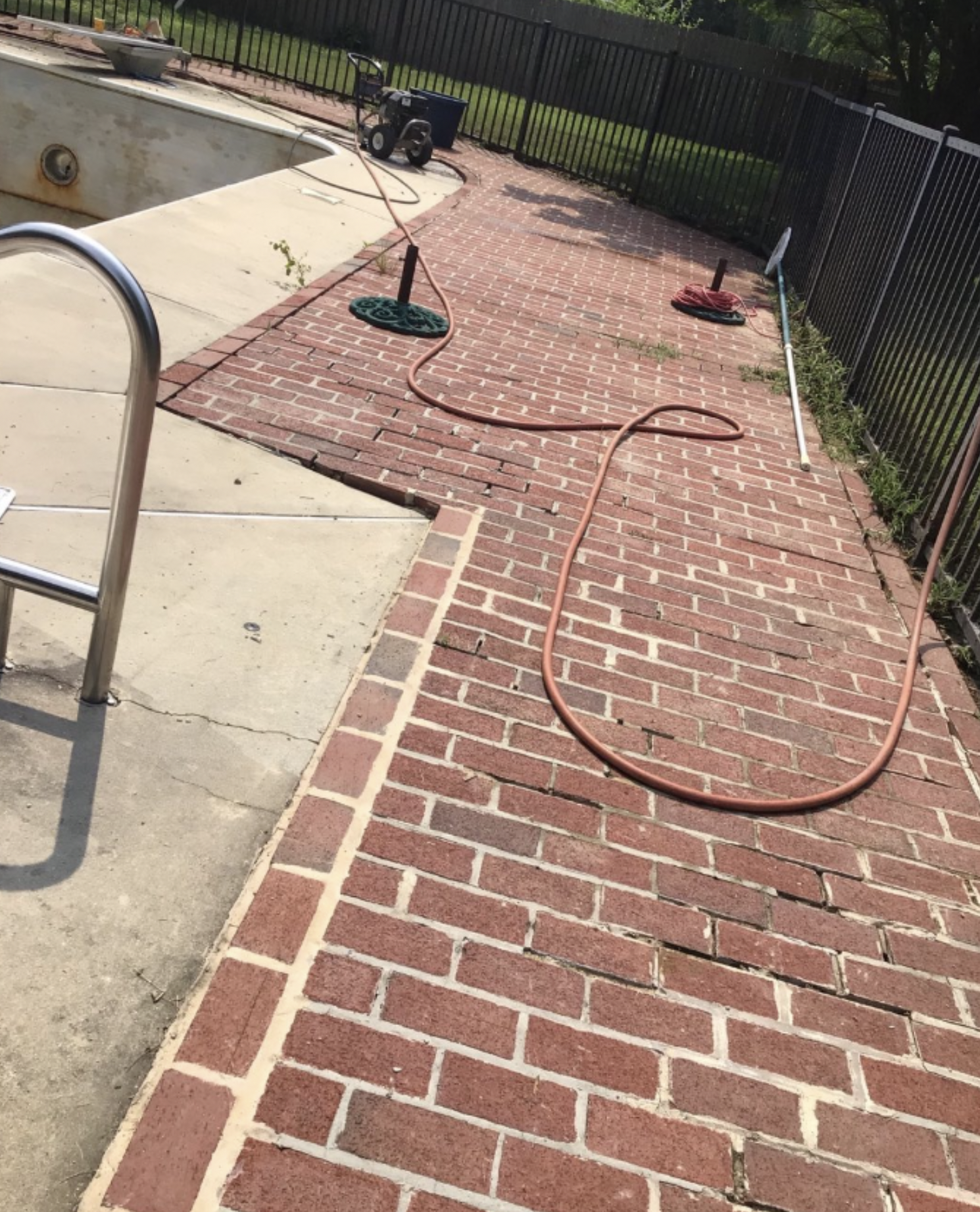
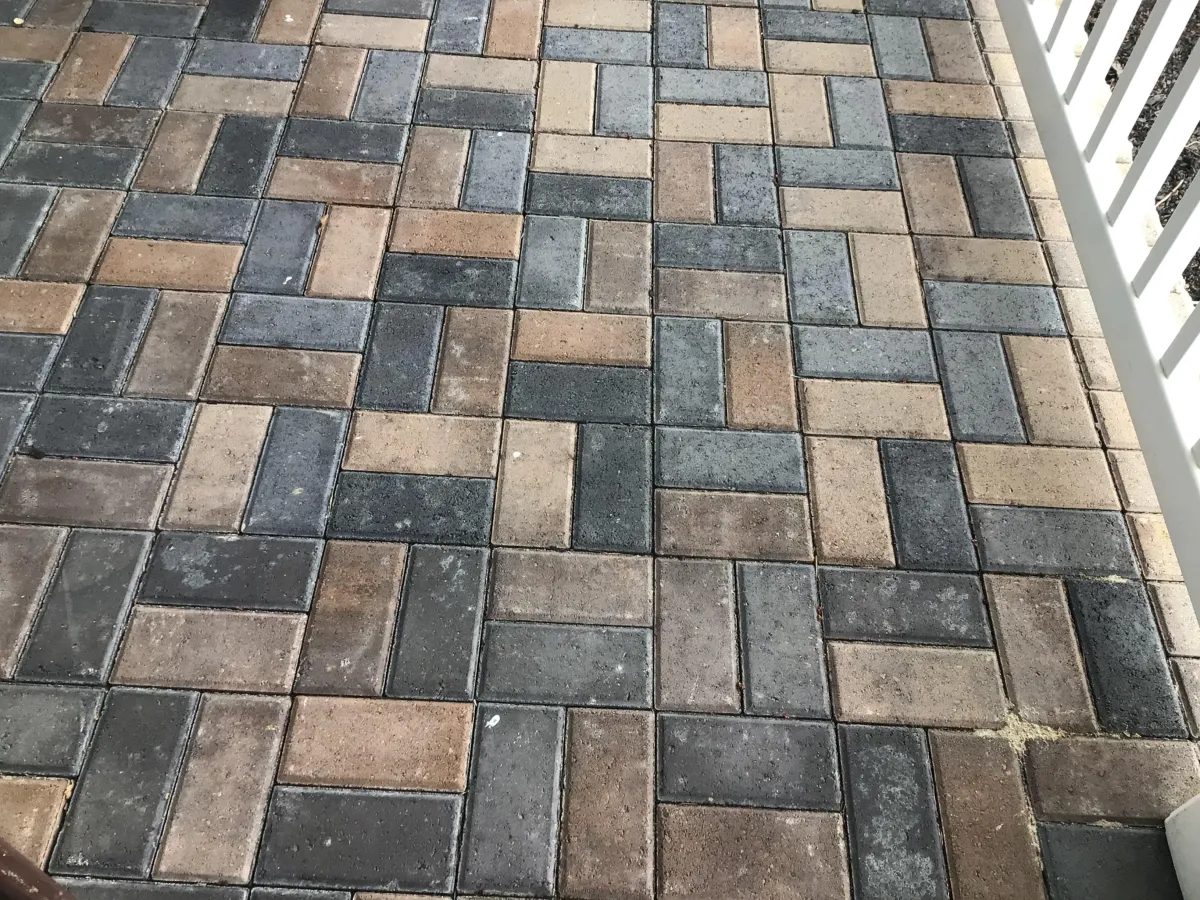

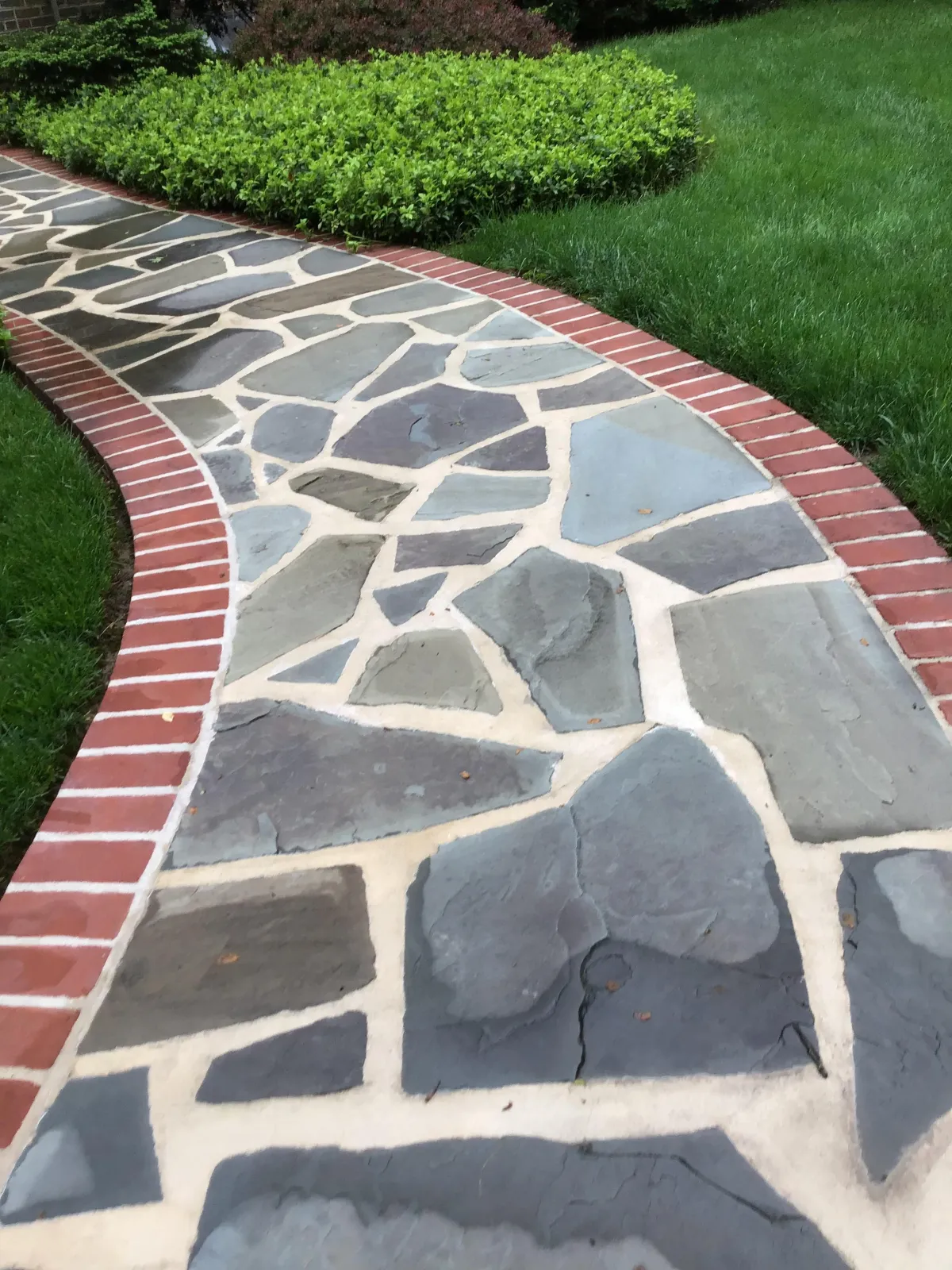
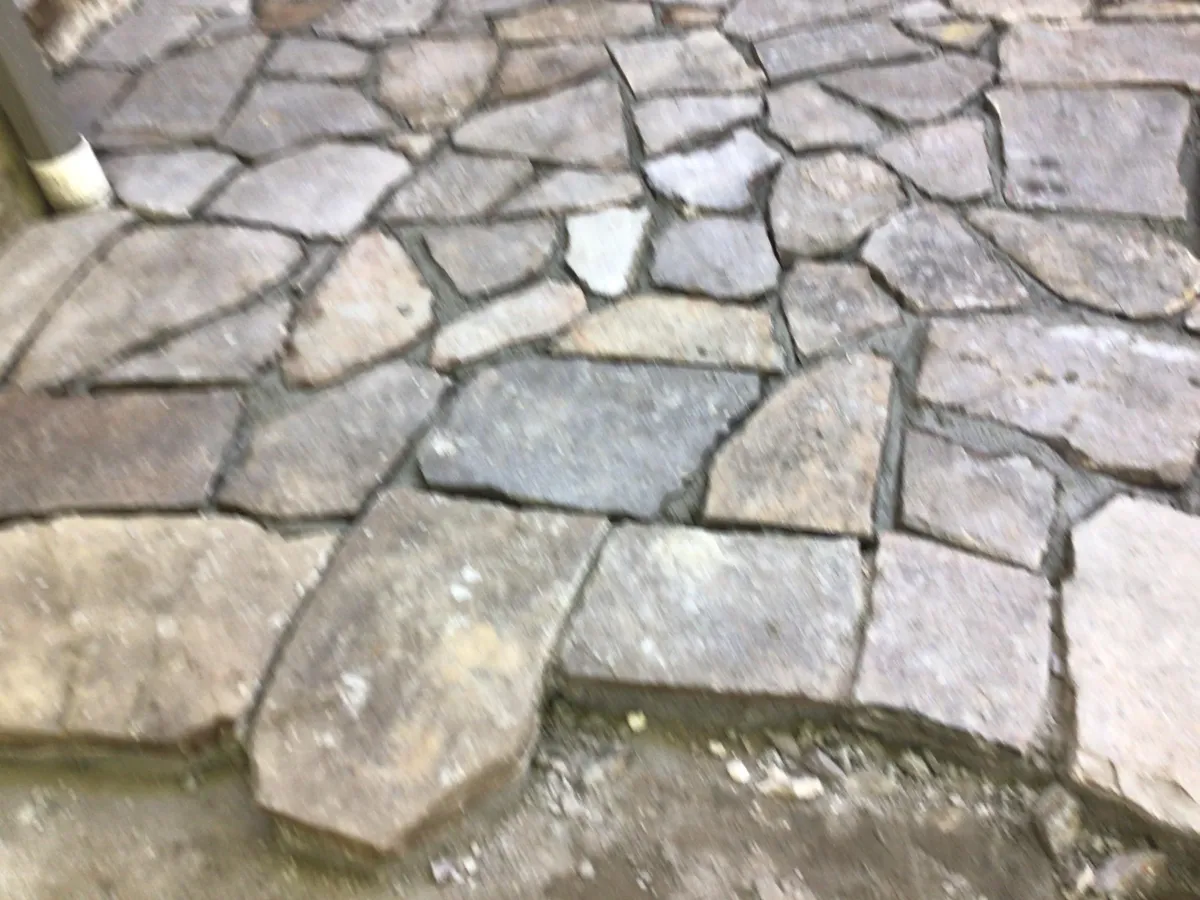
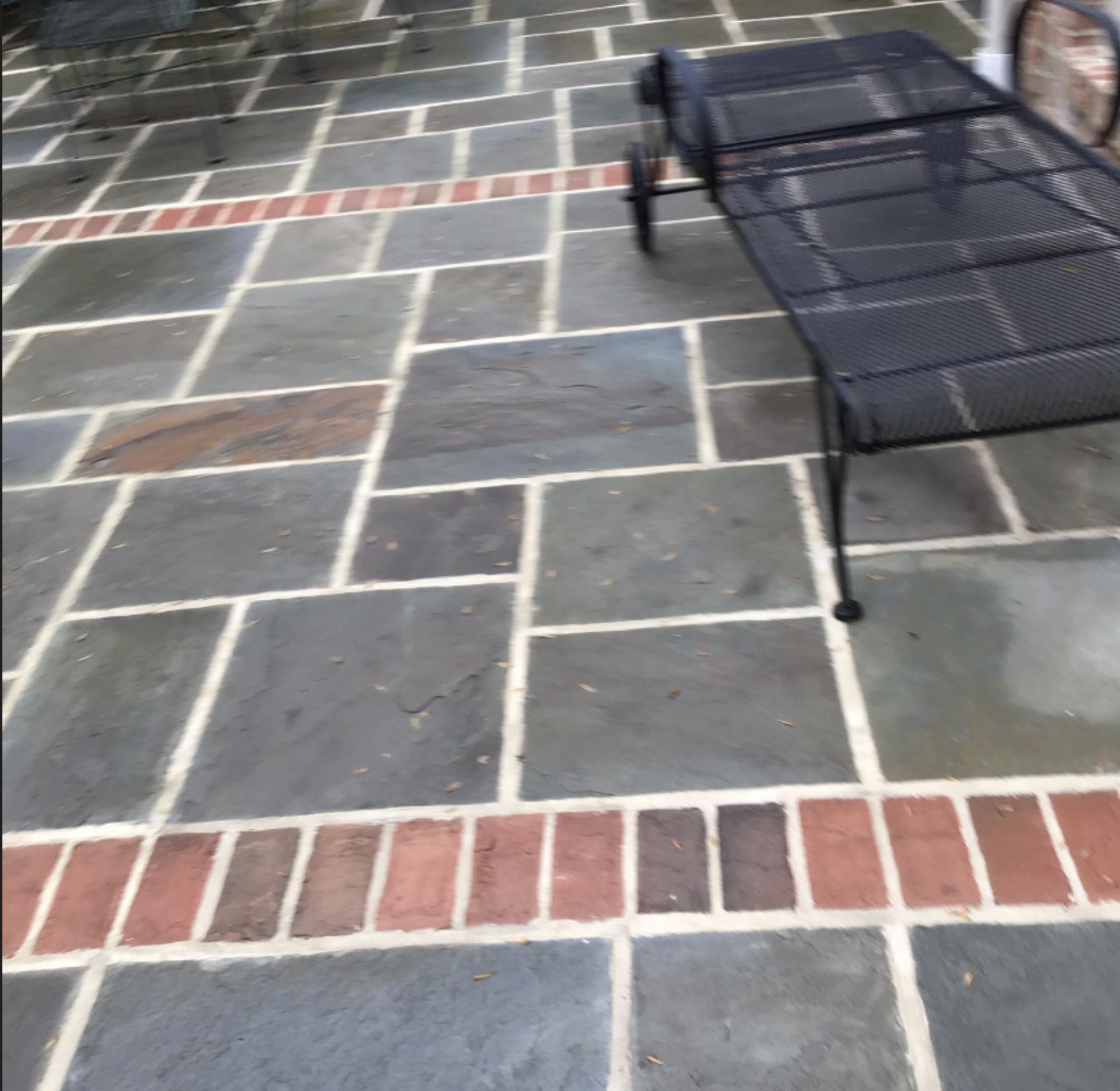
Don’t Take Our Word For It…
Talk to someone about your project?
COMPANY
Our Services
Our Services Areas
Learn More
CUSTOMER CARE
© 2026 Roger Rullo Brick Pointing All Rights Reserved.
Serving Wilmington, Smyrna, Bear, Townsend and more of Delaware