Kitchen Remodeling in Mahopac NY
Can Cracked Brick Be Repaired?
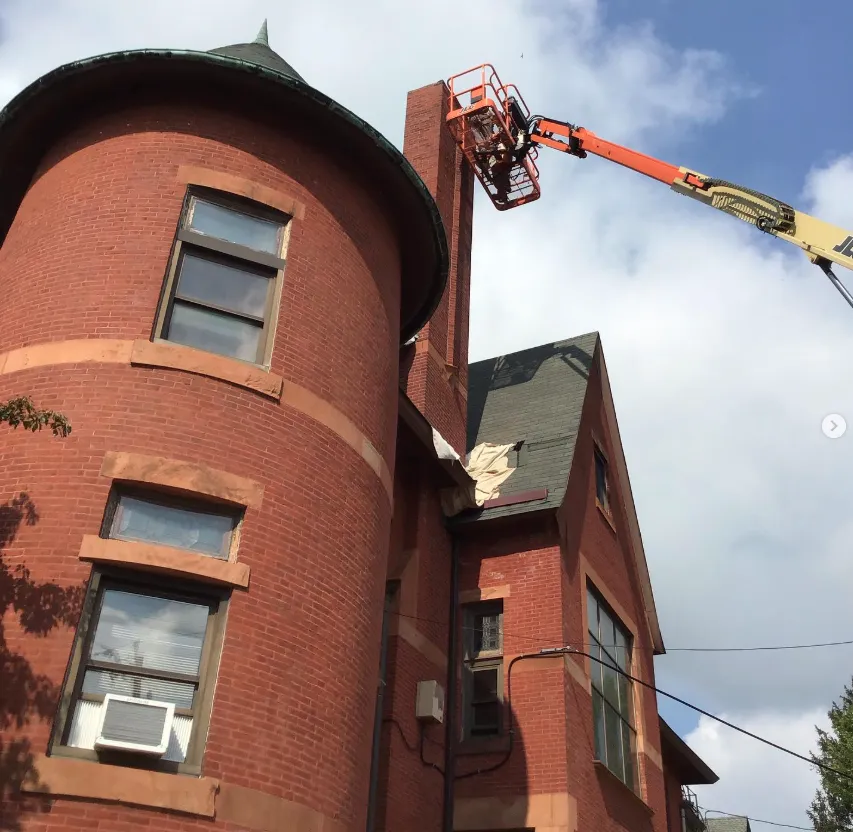
Cracked brick is a common issue found on chimneys, walls, foundations, and other masonry structures. While some cracks may be cosmetic, others can indicate underlying moisture problems, structural movement, or mortar deterioration. In many cases, cracked brick can be repaired without rebuilding an entire section of masonry, making early evaluation an important step in preventing further damage.
What Causes Brick to Crack?
Brick damage can occur for several reasons, including freeze-thaw cycles, water intrusion, settling foundations, deteriorating mortar joints, and normal aging. As moisture enters brick surfaces and expands during colder temperatures, small cracks can gradually become larger. Structural movement and long-term masonry deterioration may also contribute to cracking over time.
Repairing Damaged Brickwork
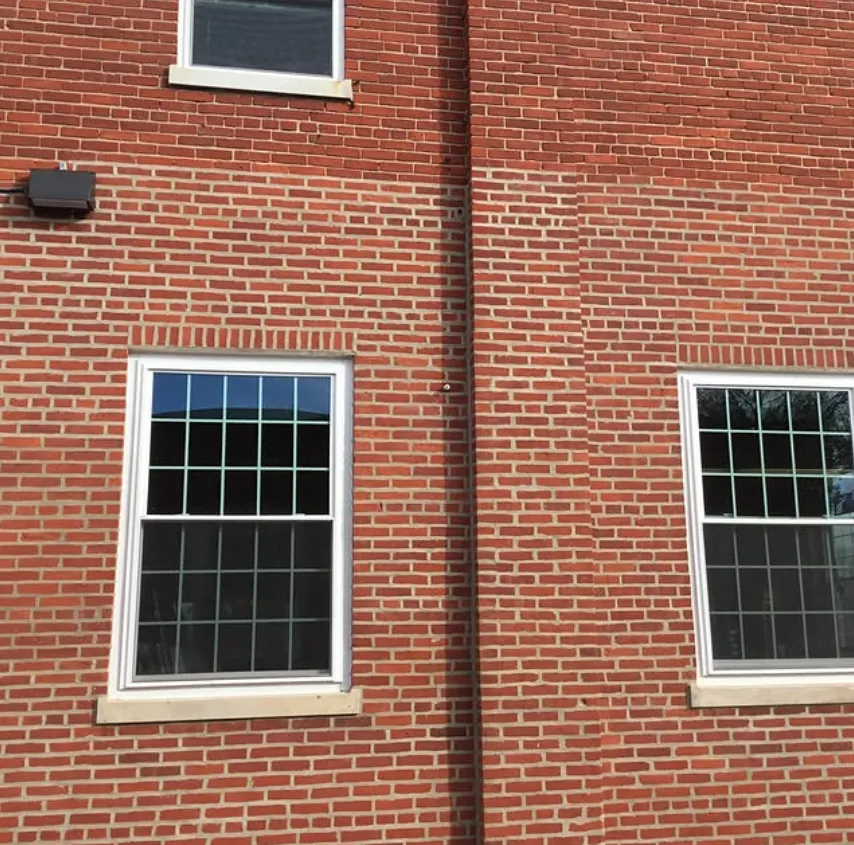
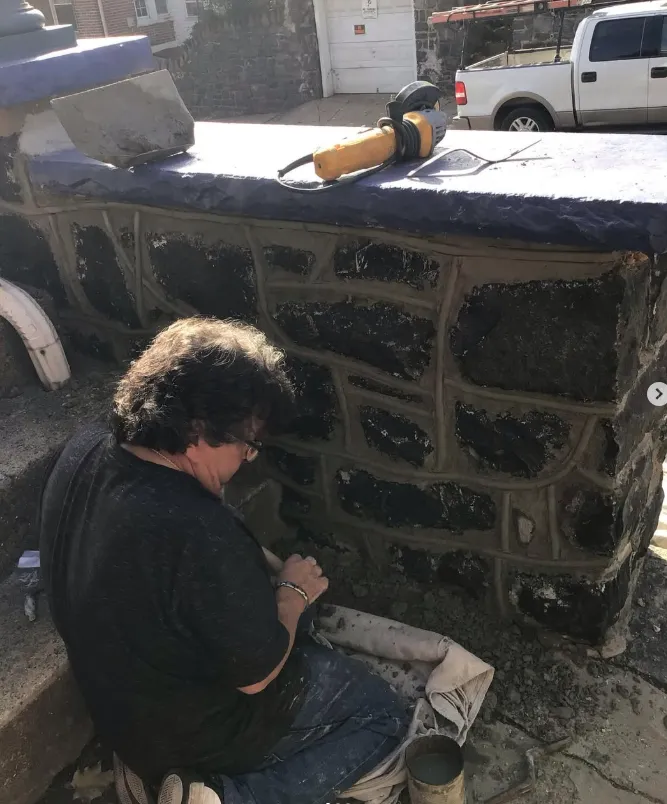
The appropriate repair method depends on the severity and location of the damage. Some situations may require replacing individual bricks, while others involve restoring surrounding mortar joints or addressing moisture-related issues that contributed to the problem. Proper repairs focus on restoring the integrity of the masonry while helping prevent future deterioration.
When Should Cracked Brick Be Inspected?
Homeowners should consider having cracked brick evaluated if the damage appears to be spreading, affecting multiple areas, or occurring alongside missing mortar and water-related issues. Early repairs can help preserve the condition of masonry structures and reduce the likelihood of larger restoration projects later on.

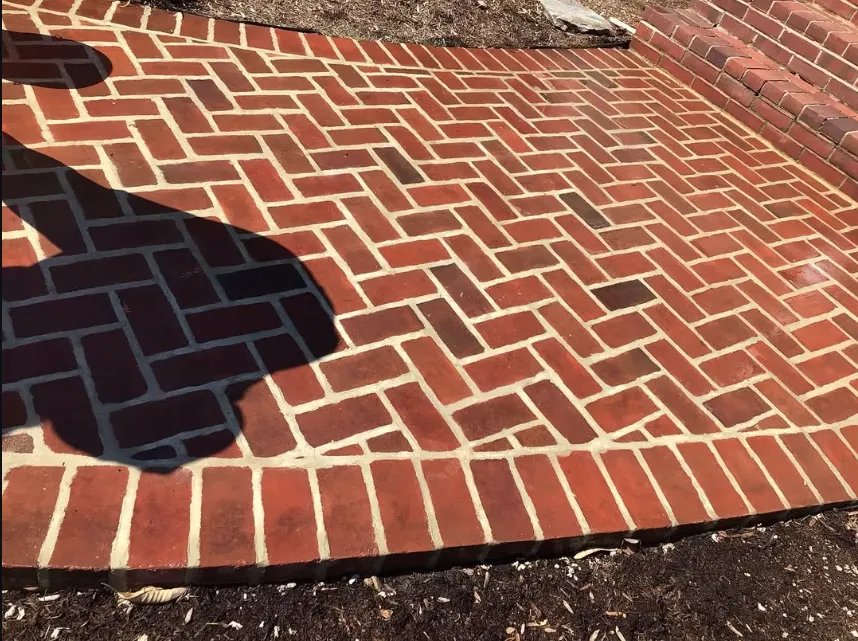
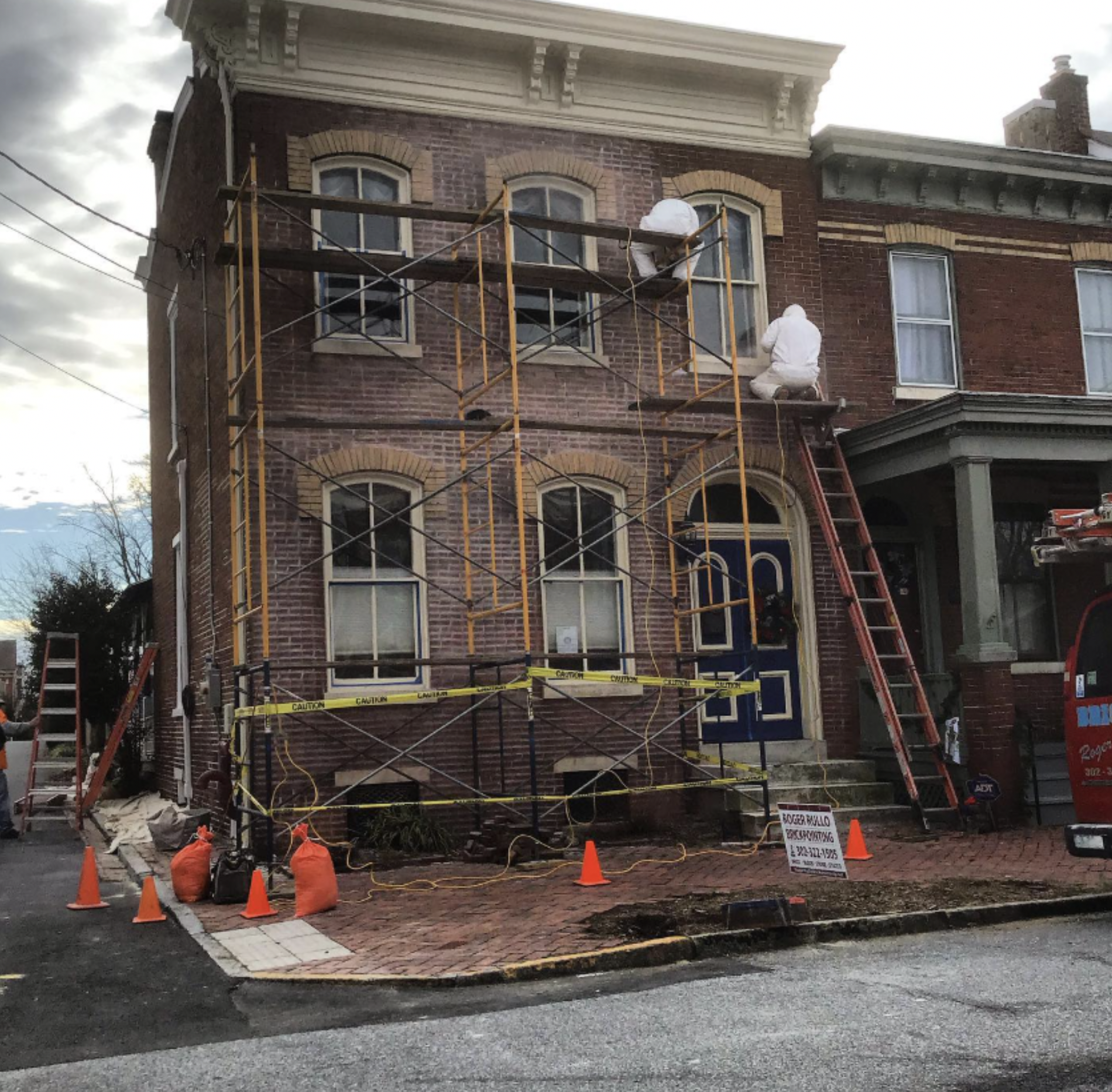
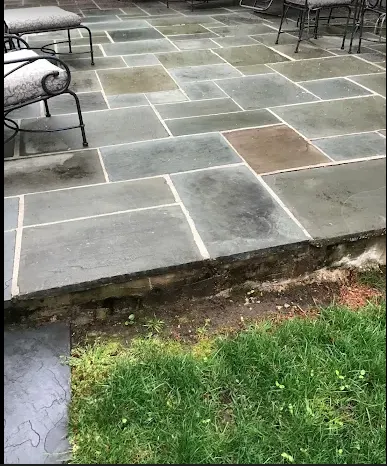
Our Work
Don’t Take Our Word For It…
Talk to someone about your project?
COMPANY
Our Services
Our Services Areas
Learn More
CUSTOMER CARE
© 2026 Roger Rullo Brick Pointing All Rights Reserved.
Serving Wilmington, Smyrna, Bear, Townsend and more of Delaware